Jia Zhangke’s A Touch of Sin: A Modern Wuxia Tale
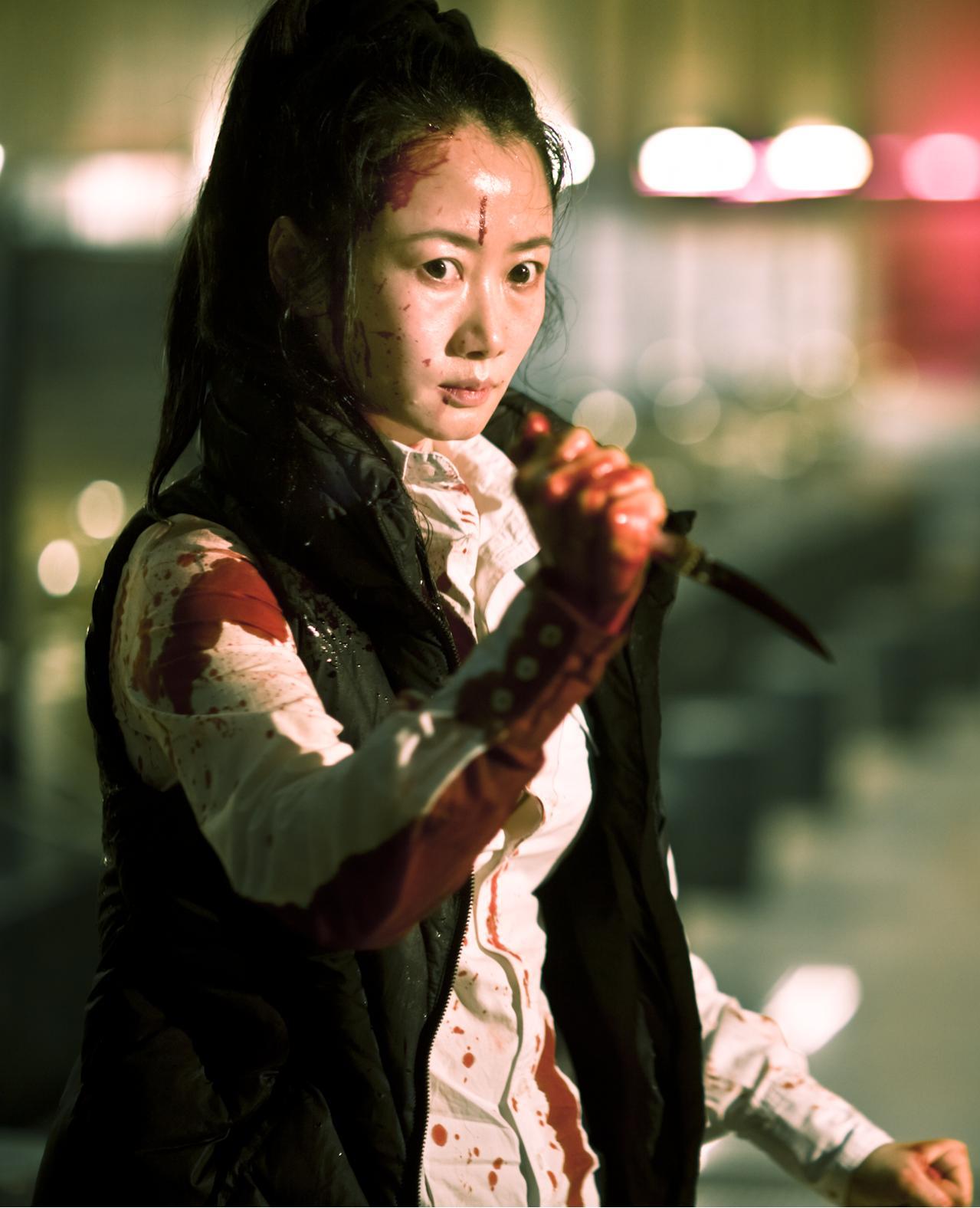 Xia (侠) is a concept that developed in the philosophies of the Warring States period. According to the court historian Sima Qian, who recorded the lives of real youxia (wandering errant swordsmen) and assassins, they were commoners and untenured warriors available for hire, who upheld a professional code of conduct based on the major philosophical schools of their time, “righteousness (yi), trust (xin), meritorious service (gong), tidiness (jie), tolerance (rang)” Among these, yi and xin have become the defining qualities of Xia in literature and cinema. The concept found literary expression during the Tang Dynasty, eventually developing into a genre and absorbing influences from various popular literary forms through the centuries. Since the 1920s, when the Shanghai film industry began adapting Xia novels, the wuxiapian has evolved through multiple phases, though most works in the tradition feature a historical or historicist setting. This is not always necessary. In his book Chinese Martial Arts Cinema (2009) Professor Stephen Teo asserts that “the genre is unified by its cultural history and its historicism but at the same time is ruptured and torn apart from its historical continuity by history itself”.
Over the last few decades, numerous works have engaged with wuxia in a modern diegetic space, such as Saviour of the Soul, which retells The Return of the Condor Heroes as an artistic future fantasy; The Heroic Trio, known for its pop cultural martial arts presentation; Kung Fu Hustle, which parodies the tradition. Two directors who have achieved this modern transposition most thoroughly and profoundly, are John Woo, whom I wrote about previously, and Jia Zhangke. Whilst his engagement with the wuxia tradition have been widely acknowledged by scholarship and Jia himself, there seems to be few explorations of precisely how he has done this. In this essay, I will examine Jia’s work and his construction of the jianghu space, transposition of the aesthetics of violence and dialogue with key wuxia themes. I have chosen A Touch of Sin rather than Ash Is the Purest White, which falls more into the category of the jianghupian.
Read the rest of the essay on Easternkicks.
Posted in Articles, Events and tagged A Touch of Sin, cinema, come drink with me, film, Jia Zhangke, king hu, opera, Wuxia